

Valves are probably the most used and damaged pieces of equipment in an industrial plant. Ranging from controlling the flow of fluids, isolating sections, pressure management, and even safety, valves silently execute their role day in, day out, and often receive little to no attention. But the harsh reality is, valves like any mechanical component, have a finite lifespan of operations and if not properly maintained, can fail at the most inconvenient moment. This failure leads to unscheduled shutdowns, product losses, safety risks, and costly emergency repairs.
Preventive maintenance is not an optional good practice when it comes to valves. This is a discipline of operation required for industries aiming to achieve smooth production, longevity of equipment, and minimal downtime. Ignoring valves with proactive maintenance is, too often, simply waiting for the failure to take action. Smart industries strive to avoid that risk by ensuring there’s a structured preventive maintenance schedule for all critical valves across the plant.
Why Valves Need Preventive Maintenance
Valves function in less than ideal conditions, to put it lightly. These components manage fluids of different states, temps, pressure, and even some abrasives, all of which can be hostile to the device. All these factors over time result in internal wear and tear, corrosion, scaling, leakages, seal hardening, and misalignment.
Seals and gaskets lose flexibility or dry out over time. Stems can corrode or become stuck. Actuators can lose calibration. Threads and bolts sustain stress fatigue. Each one of these factors contributes to the steady—and ultimately harmful—impact of opening and closing the system.
If you wait for operational hurdles or leakage to occur, it becomes a very reactive approach. By the time the symptoms show, irreversible damage is nearly guaranteed. Preventative maintenance relies on the logic of recognizing and resolving issues before they escalate into failures and disasters.
Standard Preventive Maintenance Schedule of Valves
Every industrial facility should have a tailored, plant-specific methodical maintenance program for vents pertaining to the valve’s type, fluids dealt with, and other unique operating factors and conditions that are recommended by the manufacturer.
Following industrial practices, it is recommended that critical valves which manage high-pressure steam and aggressive chemicals, as well as safety isolation functions, should be inspected once every quarter to twice a year. Non-critical valves which deal with water, air, or low-pressure typically undergo inspection every six months to once a year.
Monthly inspections should include evaluation of the exterior for corrosion, leakage, debris collection, alignment troubles, and other such issues. Regular maintenance shutdowns need to include evaluation on whether the valve is able to open and close fully, if there is smoothness in the process and other such operability tests.
Inspection and maintenance cleaning, lubrication, replacing seals, or inspecting seats will be conducted according to the schedule set forth in the planned work scope, at a minimum once a year, or at more frequent intervals based on the operational workload recommendation.
Maintenance Activities Involved During Valve PM
Amplitude of work performed in maintenance operations of valves is organized in a sequential range of actions. In the beginning, the valve is detached from line pressure which means it gets depressurized on top and is externally cleaned. Moving components, such as stems, handles or actuators, are assumed to be together and are operated.
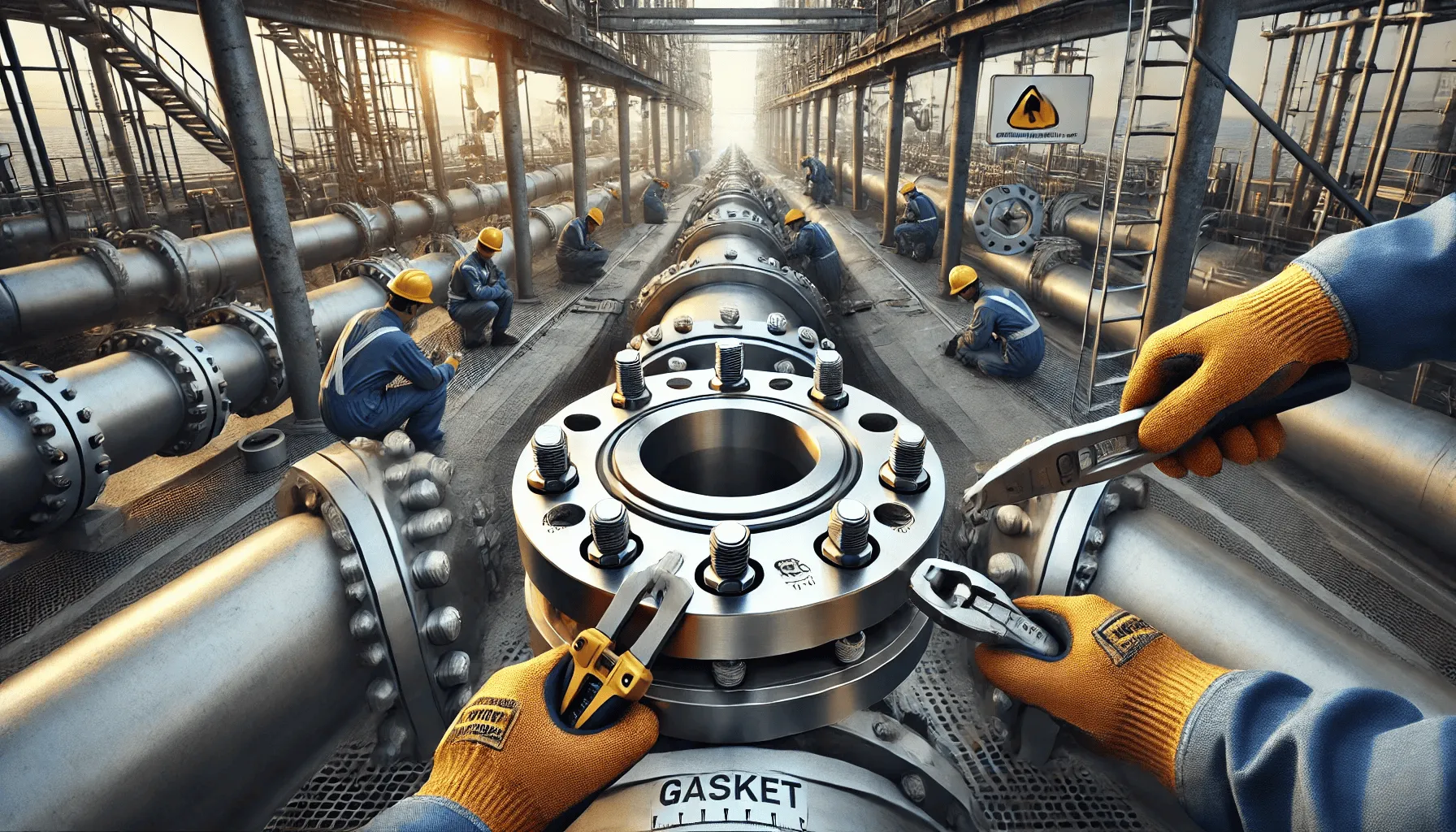
Nuts and bolts are assumed to be together and performed so strong that there is no over-stressing of the flanges. Stems and seals are lubricated with the manufacturer's medicine so that it remains supple and does not deform.
The area around gaskets is examined for potential spilling or blowout signs. If any gasket exhibits signs of softening and getting hardened, gaskets must be switched out.
Last and foremost two parts selection are packing rings and seals, which are inspected for cracks, destruction, or worn out due to chemicals. If these are damaged they are replaced. Seat surfaces are examined for indentation marks, scales or even marks associated with erosion. In control valves, the calibration of the actuator is checked.
If sediment or scale is built up in internal flushing, these require special attention in instances where slurry or hard water is concerned.
Lastly, if the valve is reassembled followed up with pressure tested after verification has been done and maintenance logs done.
Benefits of Preventive Maintenance of Valves
Following a preventive maintenance schedule greatly improves discipline and reliability to the valve’s operation in a plant. Valves suffer less sticking, jamming, or leakage during critical operations which improves smoother operation of valves. Sealing performance still maintains the integrity required on them, minimizing product losses as well as environmental risks.
Another hidden benefit is the reduction of energy consumption, because well-maintained valves prevent unwanted pressure or leak loss which lowers the burden on pumps and compressors.
Preventive maintenance allows for better control of maintenance scheduling, leading to better prediction of when there are stocks of spares, manpower, and shutdowns which avoids use of emergency breakdown situations. This is the most important part, preventive maintenance prolongs the operational life of valves by years. This reduces replacement frequency as well as lifecycle cost.
Conclusion
Industrial valves serve as the guardians of your plant’s fluid control system. Was it preventable or negligence? It is certainly smart and necessary for safe, efficient, and hassle-free operations. Every plant must have realistic, customized valves based on operating conditions and criticality.
At Indusroof, we don’t just provide high-quality valves, but also complete technical support in planning for preventive maintenance, valve servicing, and supplying genuine spares to help keep the plant running smoothly and efficiently with zero unwanted downtimes.


Validate your login