
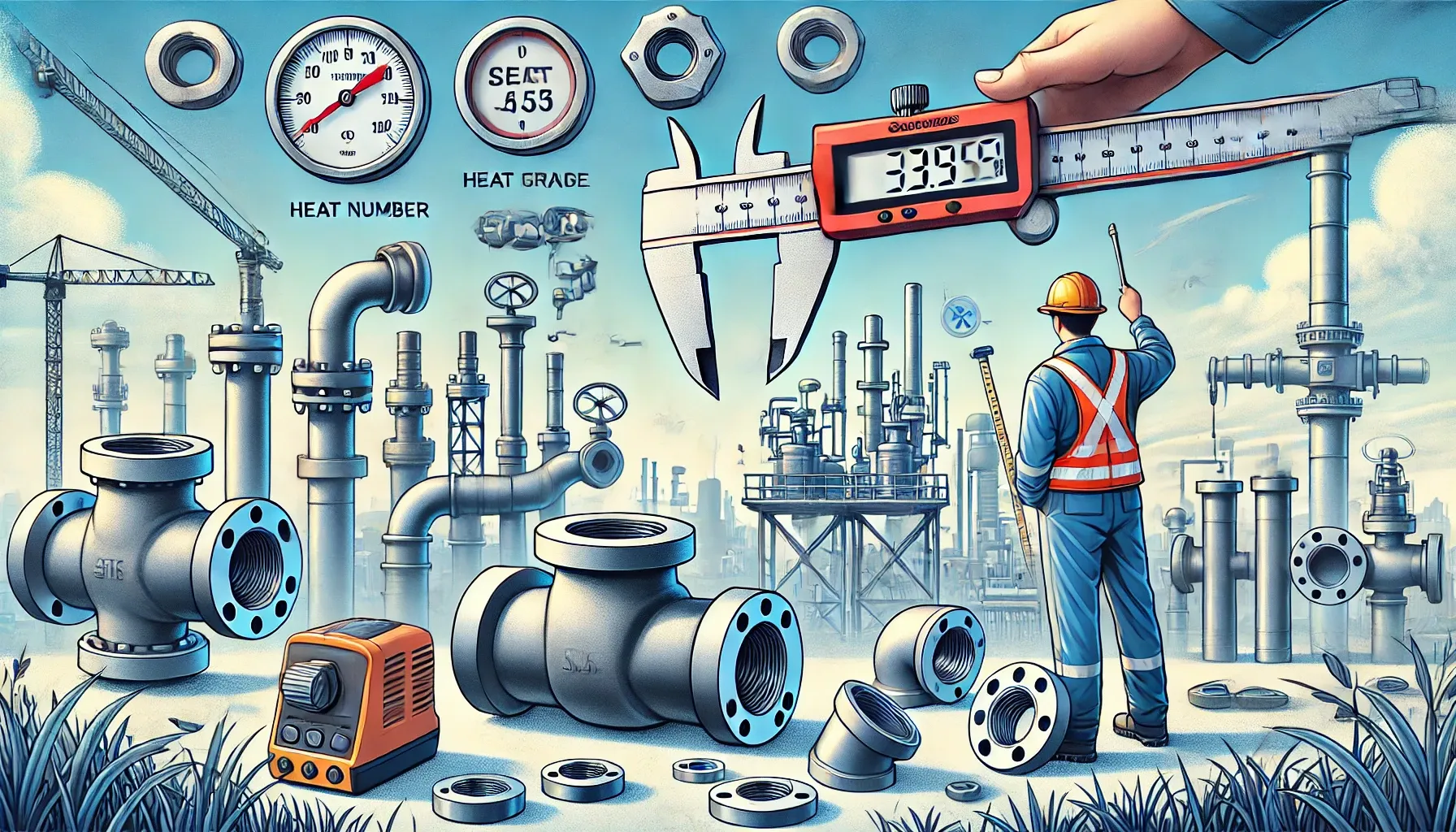
In the industrial piping system, substandard pipe fittings are considered to be one of the most dangerous threats, even more so than corrosion and pressure failure. Accessories like elbows, tees, reducers or caps might seem harmless at first glance, but if their quality is lacking, they can completely destroy an entire plant or system. Pipe fittings are the joints of the whole piping structure, and the age-old saying of a system being as strong as its weakest joint holds true. Unfortunately, it seems like the market for substandard pipe fittings has emerged out of nowhere. The problem stems from subpar fittings that are poorly crafted from original designs that use low-grade material, incorrect heat treatments, fake markings, and outdated manufacturing practices. It is no longer the sole work of a QA team to identify these issues. Every site engineer needs to know the harsh realities required in order to check whether a fitting is truly up to par and will not succumb to failure during operation.
Why Substandard Fittings Exist and Why They Are So Dangerous
Substandard fittings have come into existence because it is far too easy to cut corners without facing any blame. A lot of local manufacturers, especially those that are unapproved or roadside units, make useless cross sections of what are supposed to be standard fittings. These substandard fittings have next to no strength, ductility, corrosion resistance, or impact toughness. They often employ the use of scrap metal, bypass the proper heating that ought to take place, and skip the testing altogether just so that they can sell for a lower price. They claim to be cheaper, which is an infectious solution. The issues with these fittings do not come about immediately. They behave normally during the installation phase but once they have to face conditions that are far more real than what is merely tiptoeing around - in situ tend to face terrifyingly rapid pressure spikes, or temperature that constantly cycles, vibrant shaking, impacts and in some instances loads. It is during these processes when the split often sets in, begins, cracks begin to appear, leaks start, worst case scenarios become true, sudden and unexpected catastrophic bursting takes place. It becomes far worse when one realizes that trying to figure out where the fitting was purchased from becomes a paradox of sorts because the fitting and damage have become a permanent feature, so in reality damage done becomes a pointless exercise.
The First Check – Surface Finish and Visual Imperfection Clues
One easy, yet often ignored, method of detecting problematic parts requires checking the surface of the fitting. There is a lot of rough machining with non-standard fittings and, as such, they will have a poor surface finish with rough surfaces, streaky colours, scratches, cracks along bends, or patchy weld restoration. There are no signs of turning or patch repairs on the surface of standard fittings which mark them as genuine, and patch repairs on the radius bends are smooth. Where there is roughness, it is a sign of unauthorized repairs after the part has cracked during manufacturing.
The Critical Heat Number and Marking Check
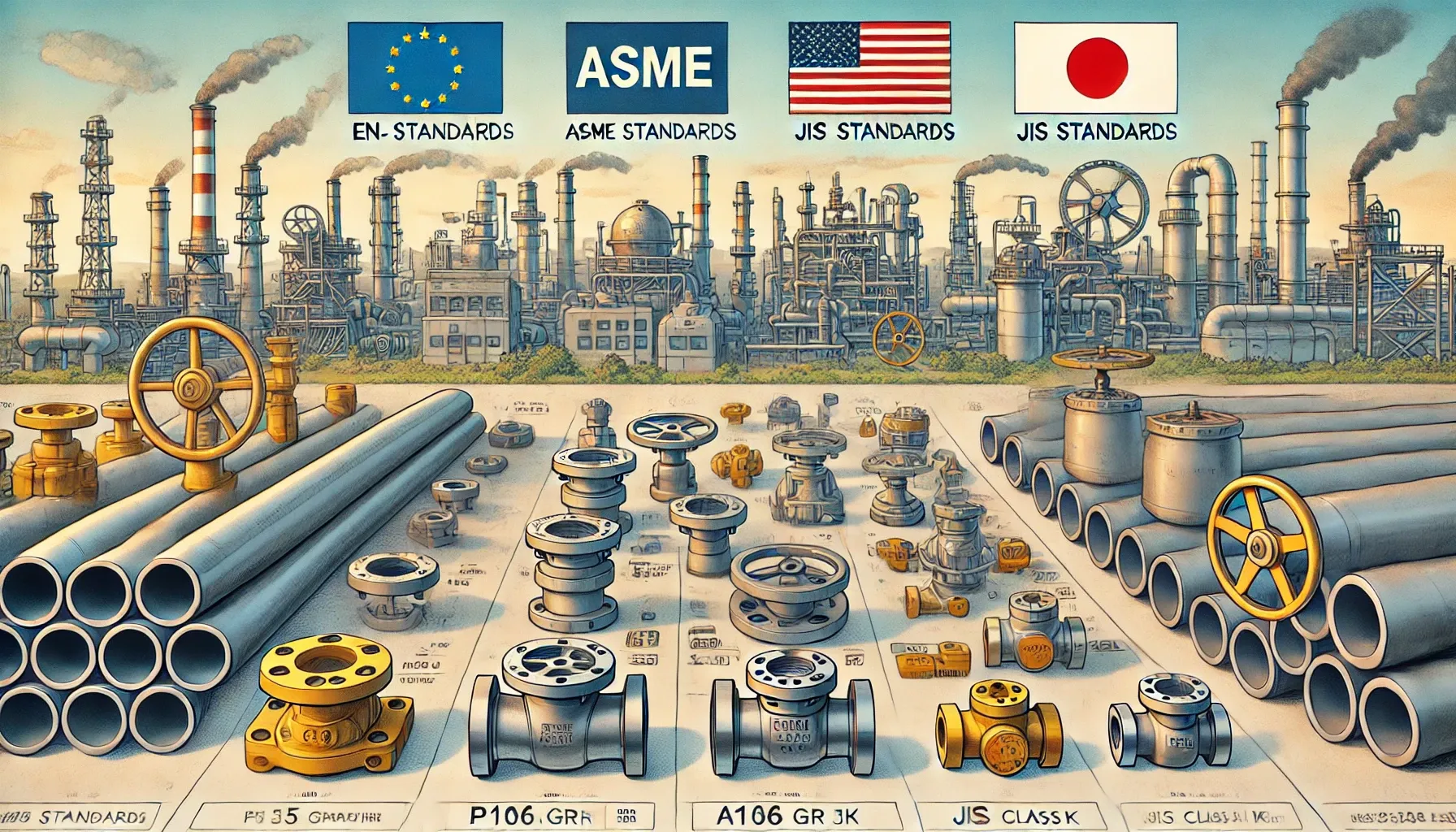
All types of integral fittings, ASME- or EN- or JIS-based, are marked appropriately and correctly. This contains the logo or name of the manufacturer, grade of material, schedule or pressure rating, size, and most importantly—the heat number. The heat number, as mentioned before, is the strongest evidence because it connects the fitting with its Material Test Certificate (MTC). All lower-grade fittings will have either no heat number, random numbering, or forged branding copying from name brand fittings. The site engineers must verify if the heat number that has been stamped on the fitting corresponds with the number mentioned on MTC provided by the supplier. If it does not, reject fitting immediately on the ground.
The Magnet Test for Material Verification in Stainless Steel Fittings
One particular field trick is termed as the magnet test, especially for stainless steel fittings. Standard grades of stainless steel fittings such as SS304 or SS316 are austenitic and therefore non-magnetic. If they pass the magnet test and stick strongly to the fitting labelled stainless steel, it indicates the possibility of ferritic or scrap material content that is has lower mechanical strength and corrosion resistance. However, this test provides only a rough estimate, proper material verification requires lab testing of chemical composition.
Dimensional Accuracy and Wall Thickness Measurement
Fake suppliers, for example, default to wall thickness for a fitting’s Schedule 40 to be internal Schedule 10, while externally it appears correctly sized. Vernier calipers and ultrasonic gauges for wall thickness indeed verify the thickness against standards, but legwork within the site has the radius of elbows, length of reducers and straight portions of tees, and so on, verify all prune benchmarks and bounds. Any deviation shown is direct signs of cost saving— material and otherwise.
MTC Verification and Supplier Reputation
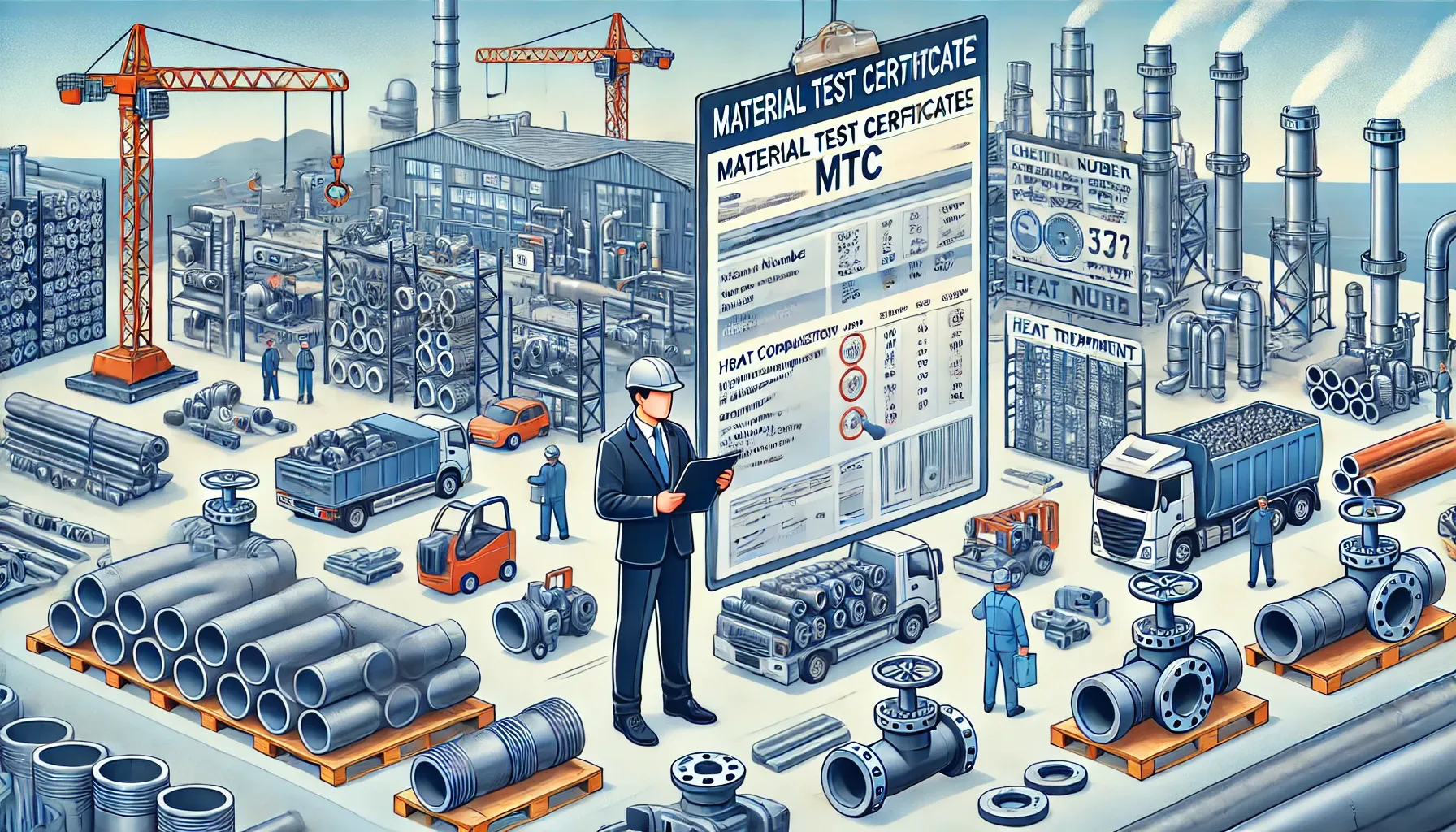
A reliable supplier who stands by their certificates from original manufacturers mitigates the risk of substandard fittings and is the reason why MTC needs verification. MTC profile needs to be tweaked with chemical composition and mechanical attributes alongside heat treatment logs. Fitting marking cross validation with MTC details is the bare minimum protocol and serves as a rule that isn’t bent. Going for verified clients, certs, supplies, and supplementary documentation, enables the vendor to supply materials credibly and without sacrificing quality unlike dodgy lowest vendors who have no documents.
Conclusion
It's important to know that poor quality pipe fittings reduce industry standards, but they are an unseen danger ready to destroy industrial systems at any given moment. Engineers that are careful resolve them well in advance of installation using practical methods such as surface inspection, marking verification, material testing, dimension checking, and MTC comparison. Indusroof, on the other hand, provides certified standard pipe fittings with 100% certification traceability, complete technical support, and compliance, therefore assuring clients that their structure is indeed robust both internally and externally. This is due to the fact that, in practice, the price of an industrial fitting may seem low, but the cost it incurs when it fails, will always be extraordinarily high.
Validate your login