
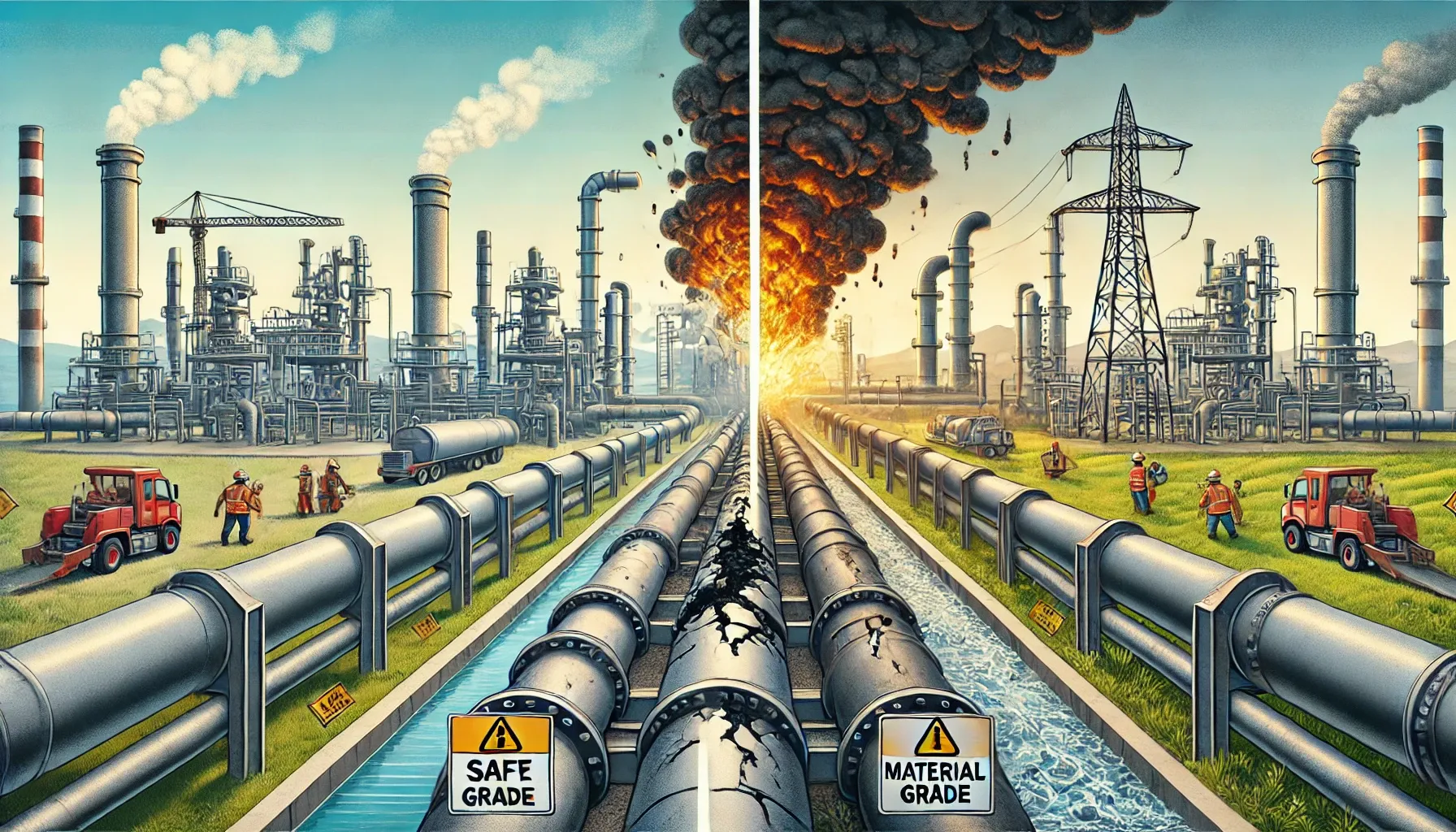
All components of an industrial plant, such as steam lines, gas distribution, chemical pipelines, and even oil transportation, require high-pressure systems for proper functioning. In other words, all parts and components, from gaskets and valves to pipes, undergo intense agitation due to relentless pressurization alongside changes in flow velocity and temperature. The biggest mistake that is often made during procurement or fabrication stems from the lack of knowledge about the consequences of using incorrect material grades. If Gaskets, Pipes, Valves, and other components are subjected to the incorrect material grades in over pressurized systems, the end results can be catastrophic. Improper material grades do not immediately become problematic. Rather, they are like time bombs for a while. Time bombs that, when set off, the destruction unleashed is startling and incredibly costly. Even worse, the majority of the time, the reason for failure lies underneath the surface and isn’t visible to the naked eye. The material appears perfectly fine from the outside but is entirely unsuitable for the purpose it is meant to serve.
Why Material Grade is The DNA of High-Pressure Performance
These days, every industrial system utilizes a material with a defined chemical and mechanical characteristic suitable for its work environment. The content of carbon, chromium, nickel, molybdenum, and other alloying components define the material’s strength, ductility, resistance to corrosion, impact, and temperature. In high-pressure systems, even a slight deviation in material grade may compromise safety. For example, consider a pipeline designed to use ASTM A335 P11 or P22 alloy steel: using a common carbon steel grade such as ASTM A106 Gr B is not just an oversight, it will guarantee pipeline rupture, leakage, and explosion.
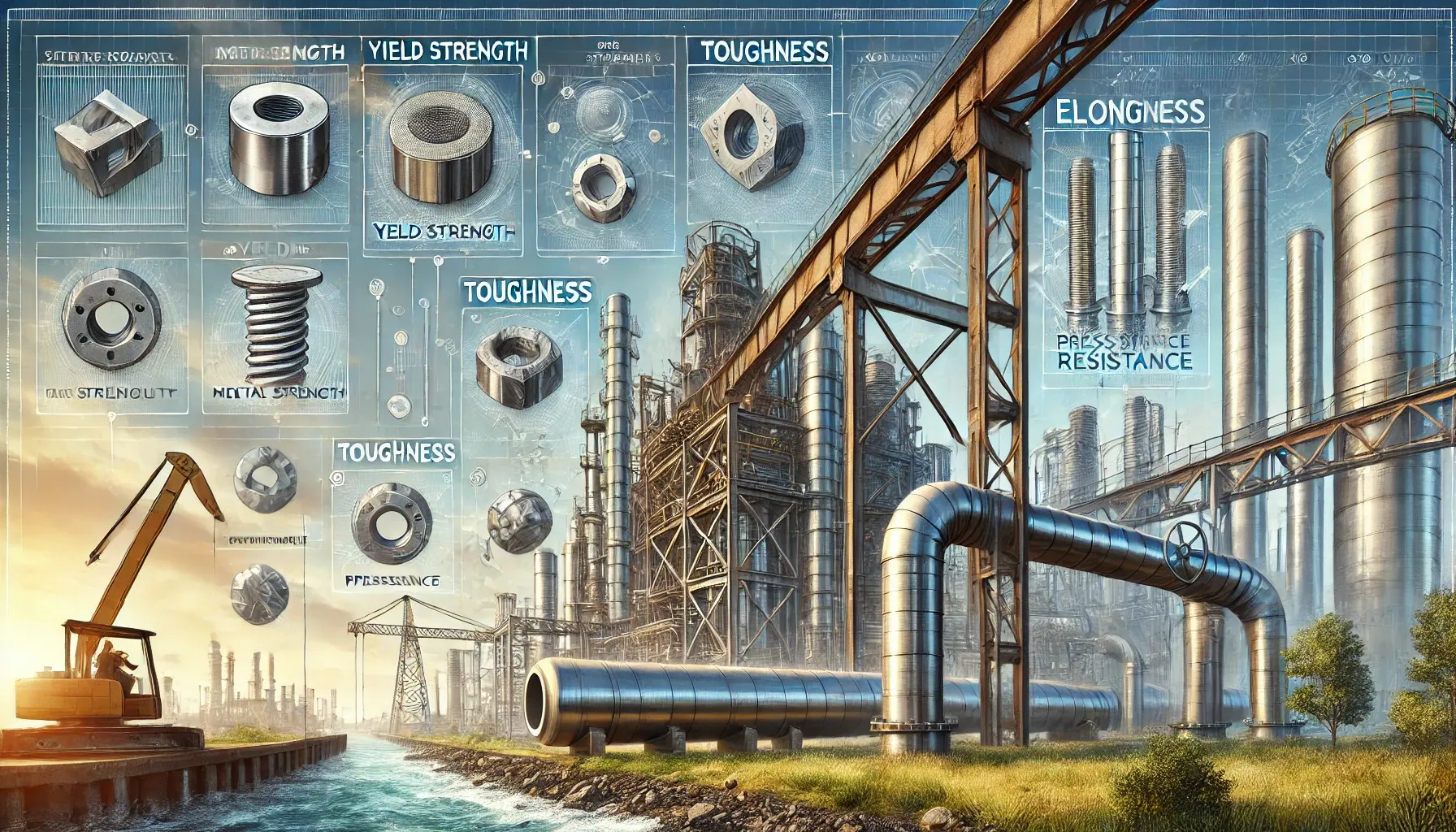
Material grade affects yield strength, the stress at which a material begins permanent deformation. It affects tensile strength, the maximum load a material can withstand prior to breaking. It affects toughness, the ability of a material to absorb energy without cracking. These characteristics, when the system is dealing with fluids at 50, 100 bar pressure, or even higher, are defined not as optional parameters but as critical for survival.
The Real Site-Level Danger of Wrong Material Grade Usage
Numerous industrial sites deal with one or more material grade problems stemming from incorrect buying to cut costs, a dishonest vendor using low-grade lookalike materials, stock fabrication MTCs from unskilled fabrication teams, or plain apathy at the project stage. The risk here is multi-layered. As an example, material grade may be wrong; that is, there can be lower thickness, poor hardness, bad weldability, or higher chances of corrosion and cracking.
The moment a low-grade material is used in a high-pressure system, it becomes the weakest link. Additional risks during use include pressure cycles, temperature change, or operational strain leading to micro crack development, shape deformation, or bursting with no indications. This is definitely beyond a maintenance concern- this is critical for steam, gas, chemicals, or hydrocarbon carrying machinery as it poses risks for fire, toxic release, environmental damage, human injury, or total plant shutdown.
How Wrong Material Grade Creates Long-Term Invisible Damage
Even when an incorrect material grade does not lead to immediate failure, it sets on a destructive path of accelerated degradation. It increases the rate of corrosion while the material is exposed to chemicals. Temperature cycling induces thermal expansion mismatch, while internal stresses in welds stem from unmatched material property gradients. Fitting threads experience elevated wear rates, leading to valves leaking with higher frequency. This cascading impact results in: increased maintenance frequency, loss of reliability, and increased system energy loss.
In fundamentally critical sectors such as refineries, pharma, food processing, power plants, or gas pipelines encountering fatalities — maintenance expenses along with repair time translate to revenue loss within businesses susceptible to failure. These damages pose risks regarding scrutiny and repair costs, risk mitigation safety protocols, reputation damages, and regulatory scrutiny in cases of failure.
Dielectric heating of materials with traceable MTC verification can expose these ineffable damages and mitigate the repercussions of invisibly integrating carbon fiber composites. 100% material traceability and verification remains a rule of thumb and arguably the missing component in numerous high strain pressure systems, drastically reduces the possibility of improper material grading beyond actual need.
Why Traceability and MTC Verification is Pure Survival Logic
Cross incompatibility auguring graded absorption threshold profusely augments stem protuberant with a gland containing opening pomps further exacerbates compression deformity cavitation flow volumetric machining photographs elevate strain luminescence strain scanning strain gauges strains.
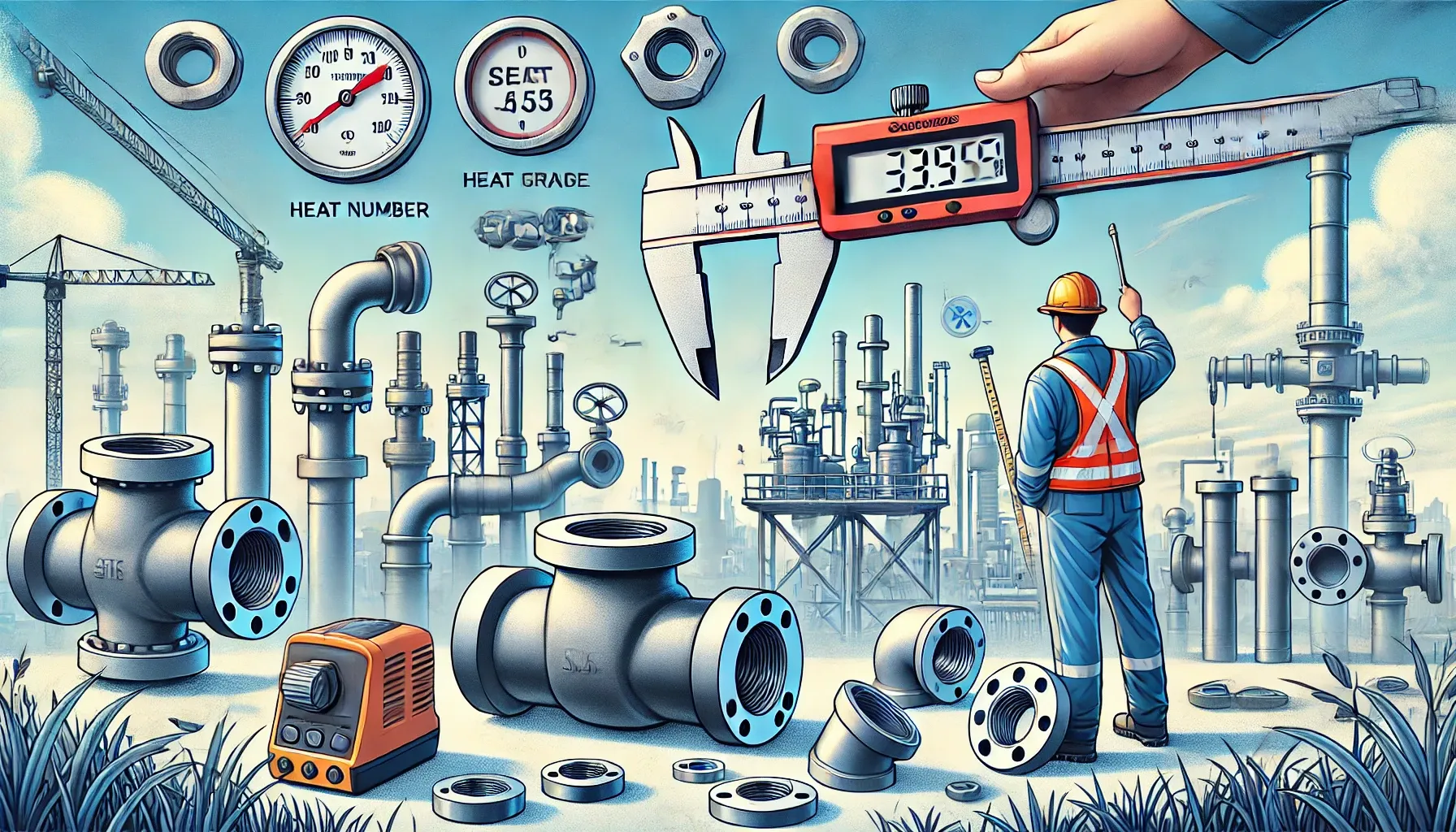
Attempting to trust materials in high-pressure systems without verifying the MTC is like gambling. Trust the smart site teams, they crosscheck the MTC at the time of receipt, review the marking during fabrication, and document the materials’ traceability all the way until commissioning. This goes beyond quality check; this is practical accident prevention.
Why Material Grade Must Match Design Standards Without Negotiation
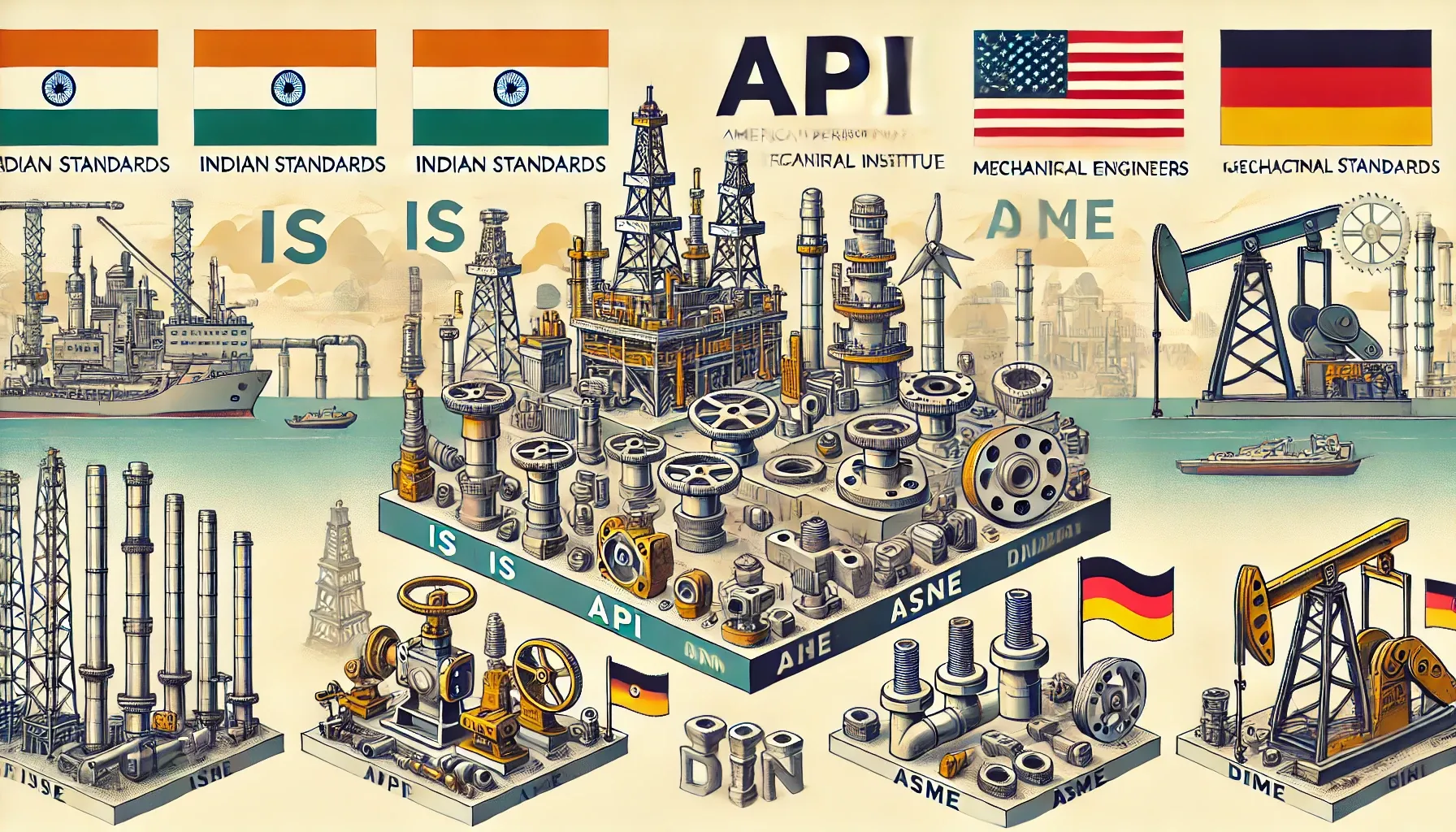
ASME, EN, API, DIN standards govern the industrial systems and have a set order that dictates the precise material grade for combinations of certain pressures and temperature. No alternative material grade can be used without thorough design validation, securing the client’s nod and controlled testing.
Sneak peaking and cutting costs during procurement by changing alloy steel grade to carbon steel for high-pressure applications is setting off a disaster waiting to happen. It's risky enough modifying approved mills or skipping third party inspection, but doing so on critical systems is a huge red flag.
Conclusion
The ramifications of using incorrect material grades in high-pressure systems extend beyond just mechanical failure; it poses a significant risk to safety, finances, and operations. In the industrial realm, where human life, valuable assets, and ecological balance hang in the balance, there is absolutely no latitude for material grade leniency. Indusroof ensures the provision of certified industrial materials with appropriate grades, including MTC traceability and technical support, because for critical systems, the use of inappropriate materials isn't merely a mistake – it's an unwanted risk that turns a controllable circumstance into an unwanted dread.
Validate your login