
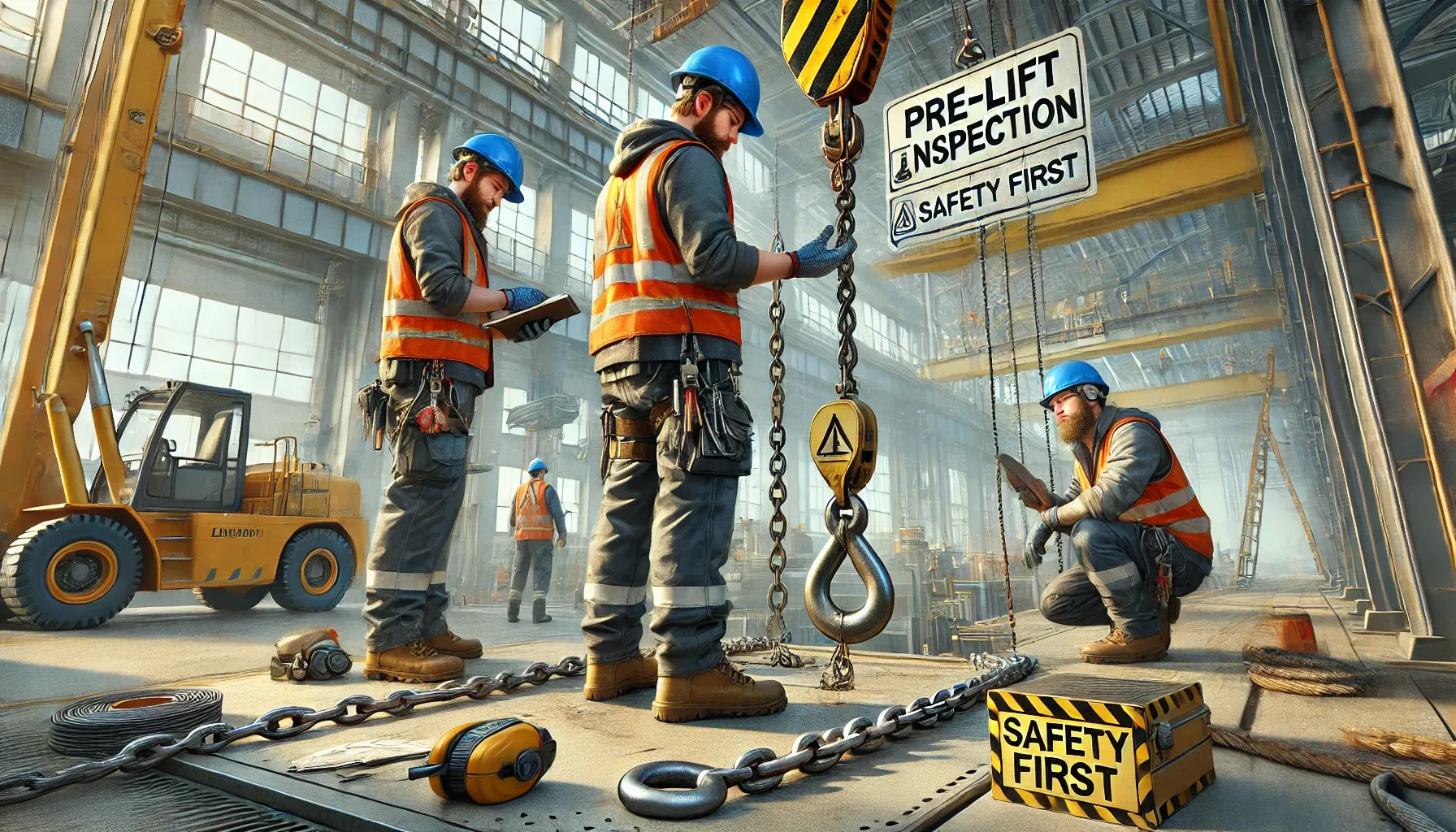
A pre-lift inspection can be regarded as the basic safety step needed prior to performing any form of lifting activity. If there are discrepancies found during inspection, appropriate lifting techniques must be halted immediately. Preparing for an inspection includes bringing the appropriate tools and setting everything up properly.
In most mechanical work areas, the single most crucial safety check that should be observed is the pre-lift inspection. This level of safety check is also among the most neglected practices particularly in construction sites and factories that are not automated.
Why Pre-Lift Inspection Cannot Be Skipped
Parts of lifting machineries are always under enormous stress. Chains, wire slings and shackles are all used and abused in harsh environments such as dust, weather, chemicals or sharp edges. Even if a component is certified and tested, the conditions at the site might damage it beyond repair. Equipment that has not been used for a long period of time may develop vacuum rust, stuck parts or even material fatigue. Common slings and shackles might be subject to improper handling or overload by untrained staff. All of these reasons justify the need for visual and physical check for every lift. It helps avoid catastrophes on site by ensuring safety procedures are followed.
Starting with the Identification and Traceability Check
Every piece of lifting equipment in an industrial site must have identification marking or load rating tagging or color coding in accordance with defined safety standards. A pre-lift inspection always commences by first assessing if the gear possesses valid identification, whether the load limits are clearly defined, and whether the limits correspond to the planned lift. A lifting apparatus may look good on the outside, but will absolutely be deemed useless in a lifting operation if there is no traceability or the markings provided are ambiguous and unclear. Proper identification must always be exceeded as per set standards.
Inspecting Slings for Visible Damage and Wear
Wrapping thongs lift and secure are often the first to sustain damage due to sharp edges, rough surfaces, and loads of varying shapes. With wire rope slings, check broken wires, corrosion, flat spots, birdcaging, or kinks. Evidence of any of these signs is grounds for instant rejection of the sling. In chains slings look for bent and cracked links, elongation, or corrosion. Cuts, burns, fraying, or chemical damage to the edges, stitching failure, and even minimal cuts or burns greatly diminishing synthetic slings' load capacity turn the slings into synthetic failure points during lifting.
Inspecting Shackles, Hooks, and Connecting Hardware
Shackles may seem like the most sturdy aspect of the whole structure, but they are susceptible to damaging overloading and misuse. While inspecting, check whether the shackle body has any bends, surface cracks, excessive wear, or is corroded. The shackles pin must be inserted smoothly and there should be full tightening without force. Wear signs like bent pins, loose threading, or immovable stuck parts are clear indications that replacement is necessary. Moreover, hooks should also be checked for mouth opening. If hooks have opened wider than their original size, it indicates they are overloaded and should be discarded. In case of self-locking hooks or safety latch hooks, the presence of latch should also be functioning properly.
Checking Load Chains, Wire Ropes, and Load Attachments
In case of manual and electric chain hoists, load chains must be inspected for stretch marks, links for corrosion, missing rollers, or twisting of the links. Uniform lay, absence of kinks, and lack of internal breakage indicators also need to be checked in wire ropes. Check that eye loops, end fittings, or sockets are tight and undamaged without any play. Finally, lifting lugs, eyebolts, and lifting beams should be inspected for integrity and proper welding along with clear load rating marks.
Inspecting Beam Clamps, Lifting Points, and Rigging Arrangements
During any lifting operation that utilizes beam clamps and trolly systems, it is important to check: proper jaw gripping, locking mechanisms functioning and absence of structural wear in jaw teeth. During multi-sling or spreader bar arrangements, confirm that angles of lift do not exceed safe limits, all connections are secure, and the possibility of edge contact is non-existent regarding damaging the sling during lifting.
Final Checks and Load Path Clearance
Before the lift commences, it is necessary that the load path does not contain any obstructions, coworkers are positioned away from potential danger, and the lift zone is properly marked. Load stability is also a concern that needs to be addressed as any load with considerable weight should be lifted a few inches from base to ground, checked for any unwanted shifting and held for a short interval. Only if the moving parts are verified to be intact without jamming, unchecked shifting during lifting and the device itself is working can the load be dropped at the intended site.
Conclusion
Carrying out a pre-lift check on lifting equipment is the easiest and most intelligent way to mitigate accidents, equipment failure, and productivity loss invariably at any industrial location. It is a practice requiring mere minutes but prevents countless hours of regret, repairs, safety incidents and so on. No piece of lifting equipment, regardless of its cost or certification, is safe from failure without regular inspection. Indusroof provides not only certified lifting equipment but also offers guidance on the use of the equipment as well as technical training on inspection so that ensure all your lifting operations are done safely and efficiently 100% of the time.
Validate your login