
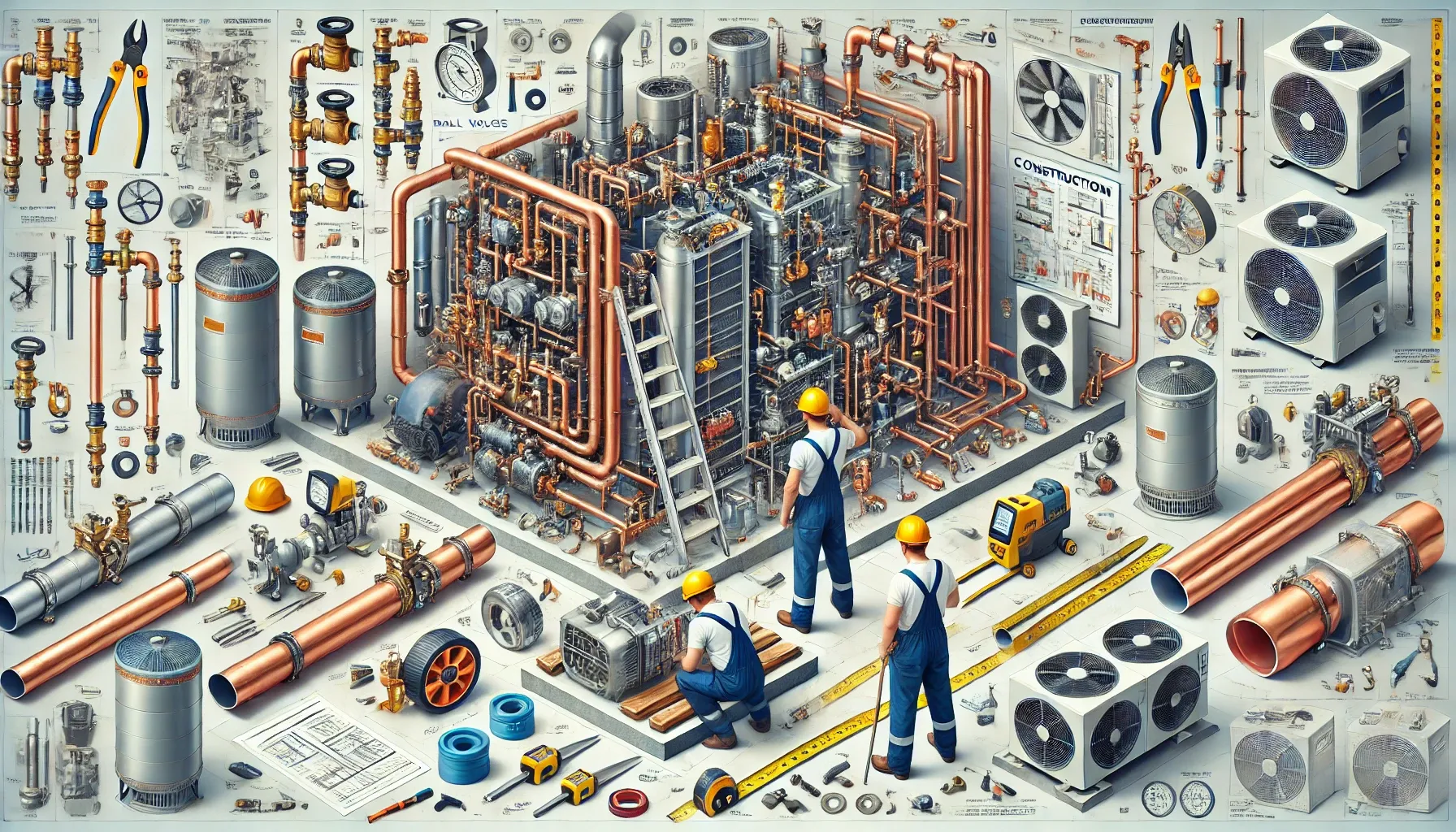
HVAC projects are among the most material sensitive operations when it comes to industrial and commercial construction. It spans the entire lifecycle of manufacturing plants, office complexes, hospitals, malls, data centers, etc. HVAC systems are perhaps the most critical components with regards to temperature control, air quality management, and energy efficiency. And of course, every duct, chiller, pipeline or air handling unit has its associated industrial supplies which are needed to ensure proper functioning of the HVAC systems. Selecting those supplies is not just a matter of supply purchasing routine, but is rather a technical matter, for almost each product has to be well understood with regards to its function, working conditions as well as performance reliability in the long run.
Often low grade materials or incorrect material selection for HVAC projects lead to leakage, loss of pressure, frequent failures and breakdowns, and even poor energy efficiency metrics. It is therefore equally important for plant engineers, project heads, and purchase managers to have the necessary knowledge and information to make the right choices for industrial supplies in HVAC projects.
Importance of Valves in HVAC Systems
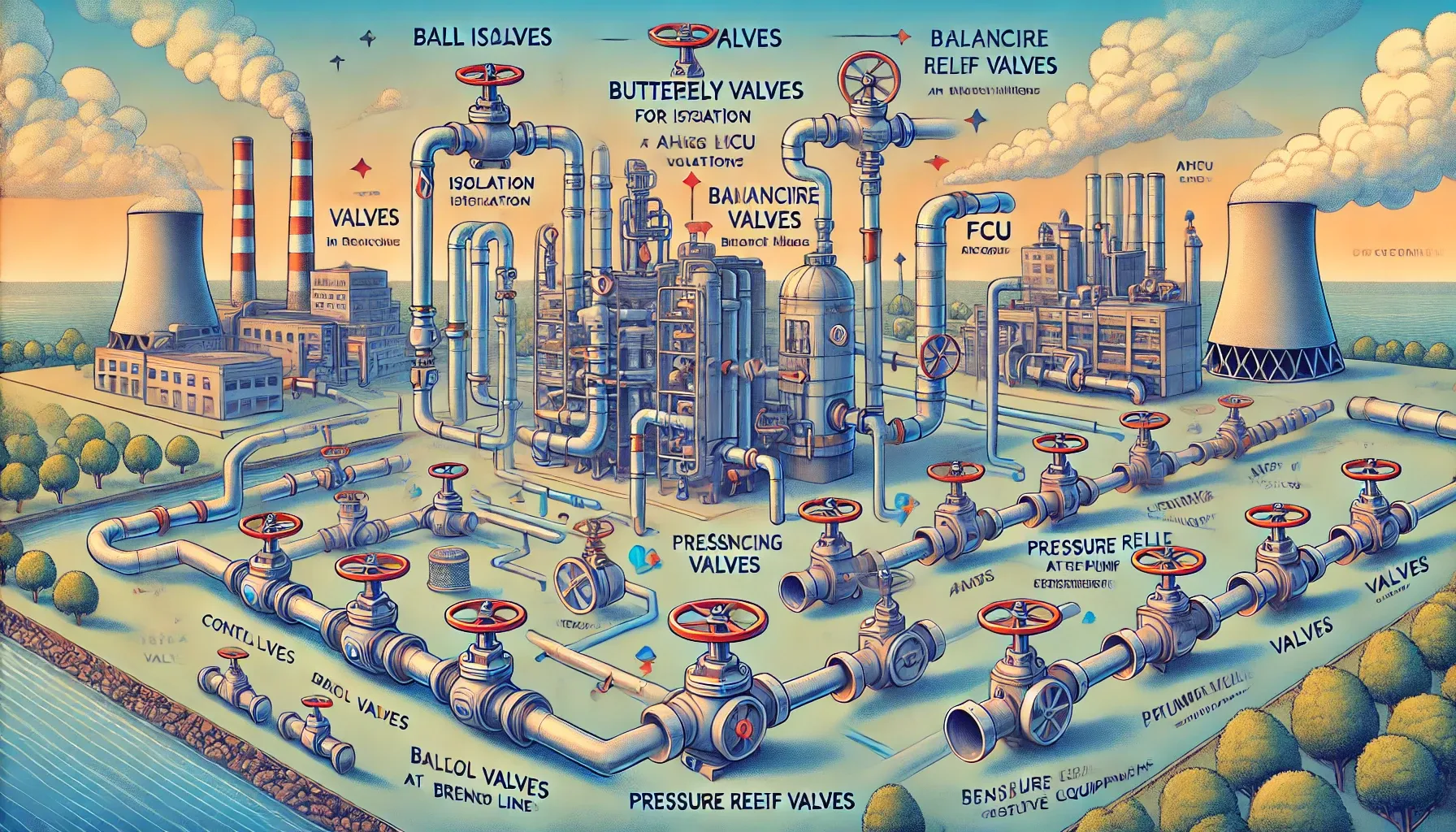
In a piping network, valves are the control points for any HVAC system. Whether it is water lines, chilled water circuits, hot water pipes, or refrigerant lines, the valve choice determines flow control accuracy, isolation safety, and maintenance. In HVAC systems, commonly used valves include ball, butterfly, balancing, check, and pressure relief valves.
In HVAC lines, ball valves are preferred because of the fully opened design and ease of operation. Butterfly valves are selected for larger diameter pipelines due to their smaller size, meaningfulness, and lower cost. Balancing valves help in achieving controlled flow rates in different branches of HVAC circuits to maintain performance consistency of equipment.
For HVAC projects, valves need to be chosen according to the pressure class and temperature range, type of end connection, and material of the fluid. Cooled water or cooling tower lines need to consider resistance to corrosion. In comparison, heating circuit valves need to have materials that withstand high temperatures.
Role of Pipes and Fittings in HVAC Networks
Every HVAC system is perforated with pipes and fitting, which acts as an infrastructure for the system. The most widely used are galvanized iron pipes, mild steel pipes, stainless steel pipes, and copper pipes. The choice of materials depends on the type of fluid, pressure ratings and environmental factors.
Due to their great ability to conduct heat, copper pipes are the preferred choice when it comes to refrigerant lines. MS or GI pipes are equally suitable when protecting chilled and hot water pipelines. Stainless steel pipes are most suitable for critical zones like pharmaceutical plants or HVAC systems in food industries where hygiene and corrosion resistance is unavoidable.
Flanges, elbows, tees, reducers and unions must be of the right material and size to the fitting so that no leaks or stress are present during the installation. Joints are more likely to fail due to strain on thermal contact if fitting selection is inappropriate.
Gaskets and Sealing Materials for HVAC Applications
In HVAC systems, sealing parts are unnoticed but active supporting components. Gasket material selection is crucial to avoid leakage of water/steam or refrigerant gases and the right sealing material is vital to make every flange joint, valve and nozzle connection air tight. The material selected must stand up to the operating temperature or pressure over time.
EPDM and rubber materials work well for chilled water lines. In non-asbestos gaskets, steam or heating line circuits require temperature gaskets. In refrigerant systems, special PTFE gaskets and elastomer gaskets that are chemically compatible with refrigerants must be used.
Incompatible materials or a lack of attention to detail regarding gaskets tends to lead to gradual leakage, decreased pressure, and increased operational workloads from wasted fluid.
Importance of Fasteners and Anchoring Solutions in HVAC Projects
Regardless of how small they may seem, they are critical parts in the installation of an HVAC System. Vibration, dynamic loads, thermal expansion, and operational stress is part of the HVAC systems. Joints loosening, structural instability, and noise problems will directly increase with the use of low quality fasteners.
Every high tensile nut, bolt, anchor bolt, washer, and threaded rod should conform to the required mechanical strength standards for fasteners of industrial grade. They must also include duct supports, equipment foundation in addition to corrosion protection in outdoor, damp conditions.
Ducts, pipes, and HVAC equipment need sufficient anchoring systems to manage thermal movements and eliminate vibration. Selecting the right clamps and supports guarantees also ensures the safety of the structure and prolongs the installation lifespan.
Filters, Insulation, and Accessories in HVAC Supply Chain
Integrated HVAC components filters, insulation materials, and installation accessories also play an important role. Filters maintain clean airflow and protect AHUs, chillers, and other equipment from contamination. Insulation materials maintain energy efficiency by reducing thermal losses in chilled water or heating pipes.
The system is operationally ready with accessories such as the flexible connectors, vibration isolators, strainers, pressure and thermometers. The entire performance of the HVAC system is governed by the operation of not only the main equipment, but all supporting components as well.
Conclusion
An HVAC project requires precise and detailed planning at each and every step which involves careful selection of industrial supplies. Each component, like valves and pipes, gaskets and fasteners must fulfill the requirements of functionality, safety, and economical life cycle cost. Choosing inappropriate materials or ignoring quality often diminishes system efficiency, increases maintenance cost, and introduces unnecessary operational risks.
Indusroof offers a comprehensive range of industrial supplies tailored to HVAC projects, including certified national and international standard compliant products. Our technical experts aid industries and contractors in material selection to guarantee system durability, safety, and energy efficiency.
Validate your login