
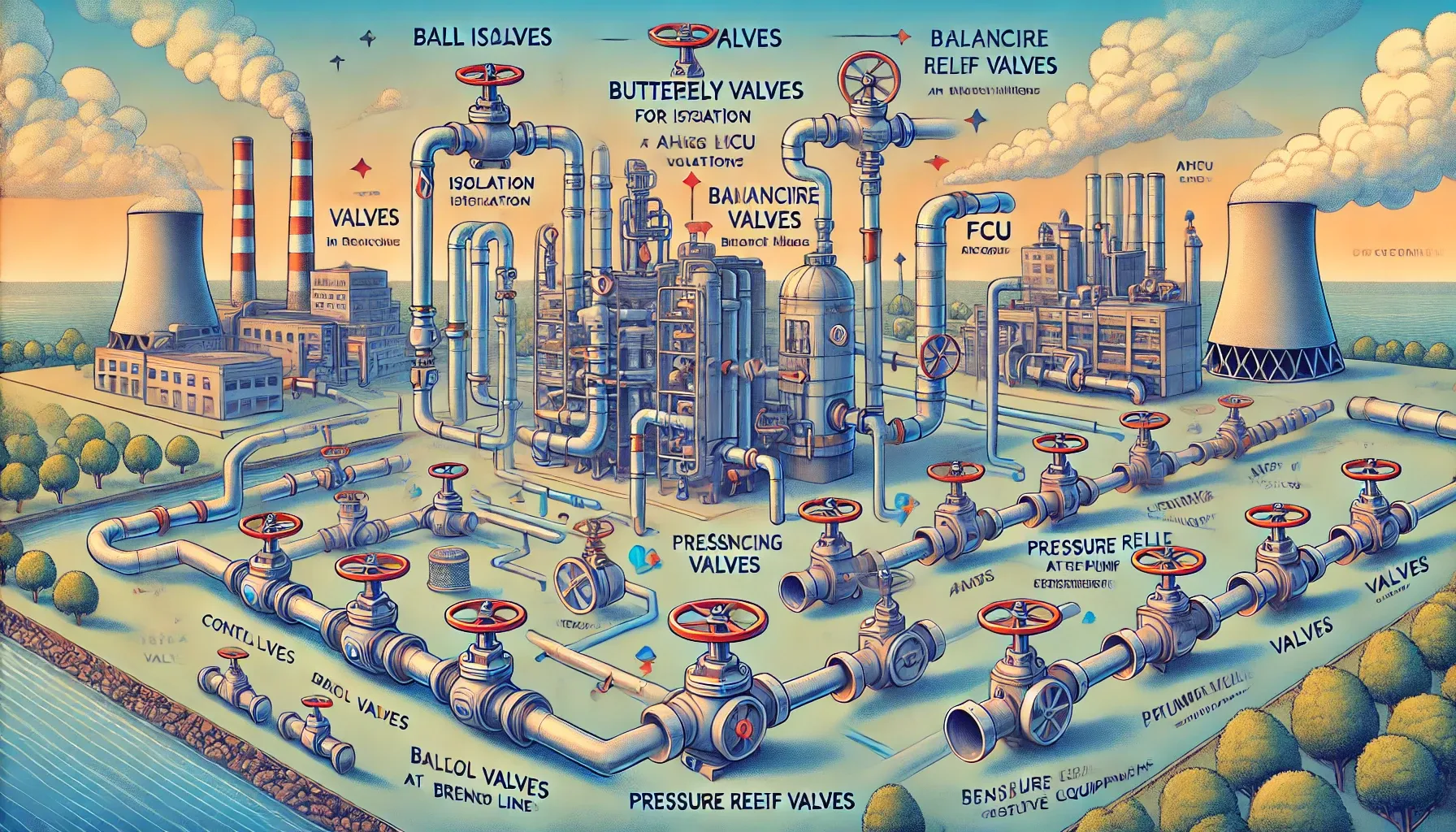
In modern industry and commercially operated buildings, comfort alone does not define the essence of HVAC (Heating, Ventilation, and Air Conditioning) systems. Rather, the HVAC system truly is the backbone of the infrastructure. While for the HVAC system, lungs are industrial valves, which act as critical points and regulate how smoothly, effectively, and safely breathing actually happens. Be it controlling chilled water, hot water, steam, refrigerants or air, valves within the HVAC system work tirelessly to control flow, pressure, direction, and isolation. And that too—without making any noise. Unfortunately this is where most project groups make a mistake. Incorrect valve selection and placement, coupled with lack of proper optimization, is bound to bring down the efficiency of an HVAC system. In most industries where HVAC systems are operational throughout the day, even a 5 percentage drop in system operating efficiency can spiral into exorbitant energy costs, poor user comfort levels, high maintenance requirements, and equipment damage.
Why Valves Are Non-Negotiable Elements in HVAC Design
The heating, ventilation and air conditioning (HVAC) system needs a customer to monitor fluid flow and its circulation paths. Valves now come into the equation since they are very useful on flow moderation as well as the isolating of maintenance sections. In flow moderation, valves are highly reliable in sectioning off the routes of medium to allow uniform cooling or heating of certain regions. Valves are also potent in protecting systems from overpressure while assisting in guarding equipment from prior pressure. Valves have to be set in the right positions to prevent unnecessary pressure. The temperature range in which an HVAC set up system has to abide has to also be set, with chillers, boilers and reduction units serving as core equipment.
Most Common Types of Valves Used in HVAC Systems and Their Role
No two valve types can be used interchangeably. All heating, ventilation and air conditioning (HVAC) components include a valve with a built-in function designed ready. The ability of ball valves to partition enables them to widely act as isolators while at the same time serving as the most used valves. Most installations, be them small device rooms, concealed settings as well as plant rooms, require straightforward operational work, which ball valves enable. The warlike device is set in a pipeline, ball valves close the pipeline.Butterfly valves are among other types enlarging in use in bigger pipes of HVAC systems like in the chilled water or condenser water lines. These types of valves provide isolation for bigger diameter pipes where space and weight become important considerations, such as being economical, requiring less installation space, and having a quarter turn action operator friendly for large systems.
Control valves, whether two way or three way, are the primary components for the HVAC flow control. Fitted in AHU coil circuits, FCU circuits or chiller bypass lines, these valves check the flow rate automatically using control signals from the BMS or thermostat. They ensure precise temperature control in different zones to stop overcooling, overheating and energy wastage.
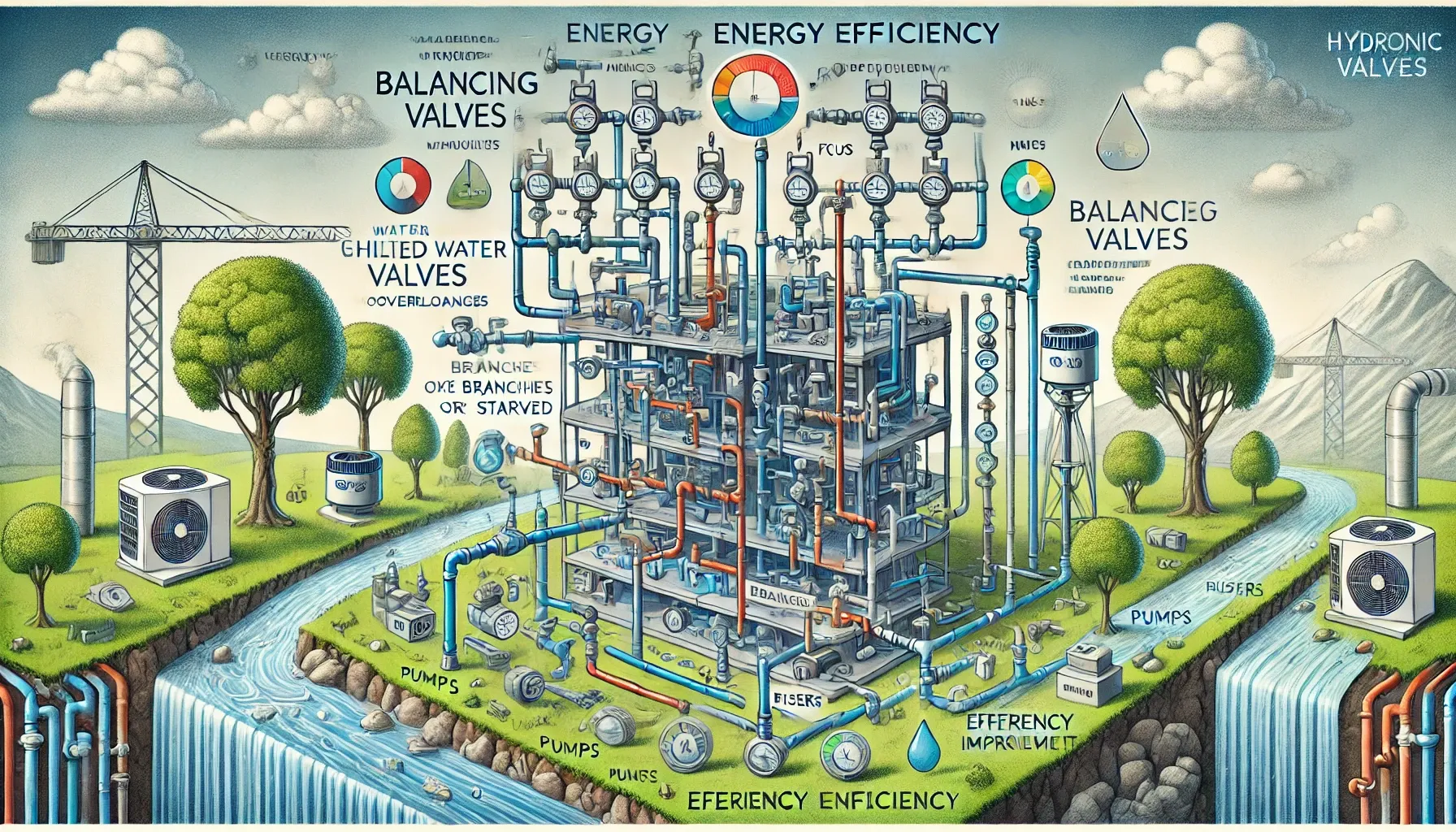
Balancing valves are the underappreciated superb of a champion of an HVAC system. Without them, fluid distribution across multiple branches is bound to become disorderly. They enable engineers to create set flow rates in numerous loops so that the last unit in a pipeline does not get reduced flow but instead, the first one floods uncontrollably.
Pressure Relief Valves and Safety Valves are a good example of what valves todo with high pressure refrigerants, steam, or hot water circuits in an HVAC system. These types of valves are damage control by helping prevent overpressure conditions to equipment failure by automatically releasing excess pressure.
Strainers are considered part of the valve family in an HVAC system since they protect valves and other equipment located further downstream from dirt, debris, or pipe scale which can be detrimental to control valves or balancing devices.
Why Valve Placement is a Site-Level Gamechanger in HVAC Systems
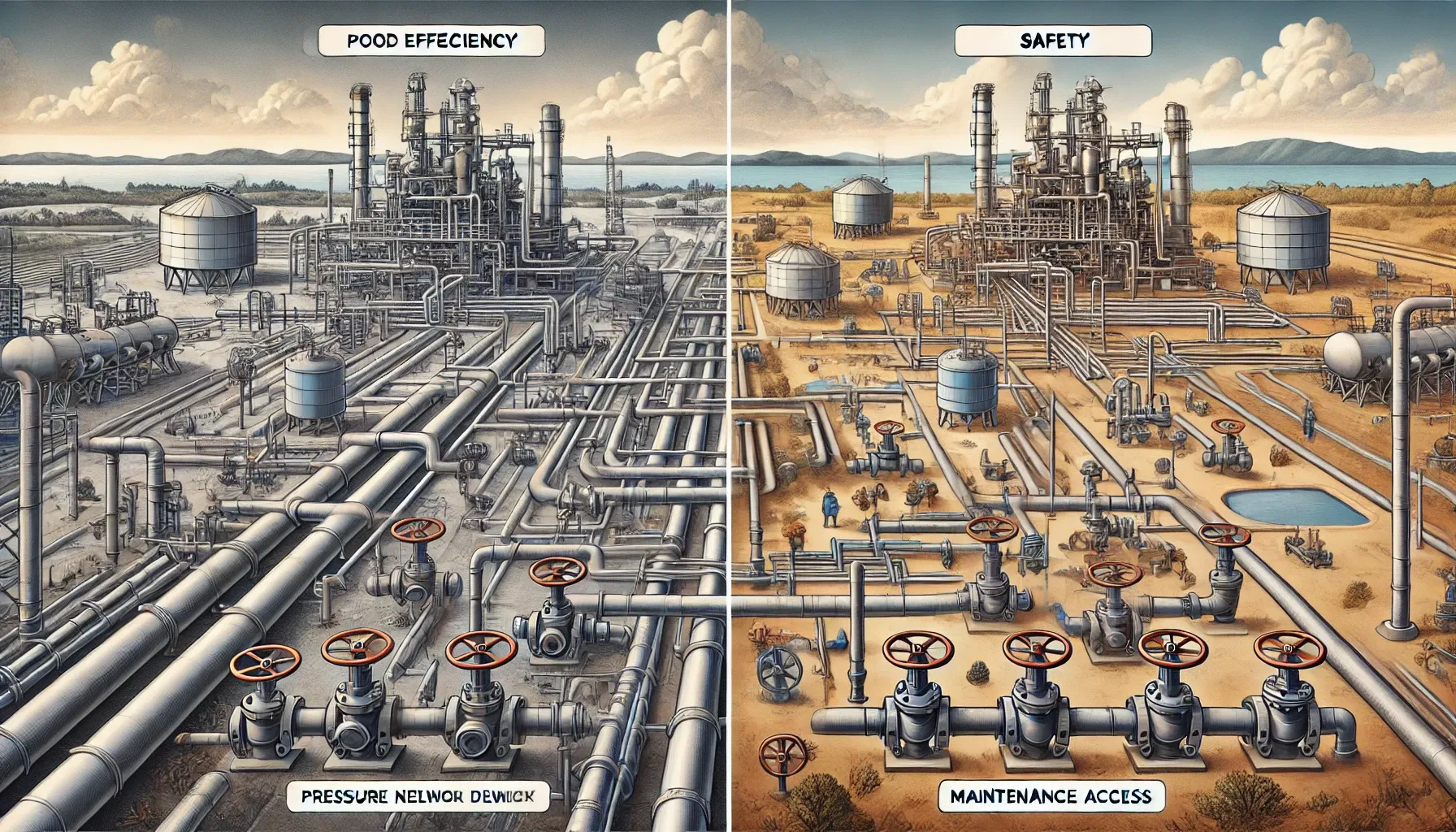
In HVAC systems design, where you place your valve is equally important to what valve you have. A control valve too far distanced from an AHU or FCU coil has slow response times and temperature control issues. Isolation valves are critical at all primary equipment inlet and outlet for streamlining maintenance without necessitating a system shutdown. Balancing valves are imperative to be put in branches prior to control valves to allow accurate flow measurement without interference on control dynamics. PRV or Pressure Relief Valves should be positioned at points of high pressure risk such as pump discharge or closed loop extremes to minimize safety risk.
Omitting crucial valve placement will cause future headaches such as elevated energy costs, poor access for maintenance, excessive pressure drop, flow imbalance, and aggravated operators facing time-consuming troubleshooting tasks.
Optimizing Valve Selection for Best Performance in HVAC Applications
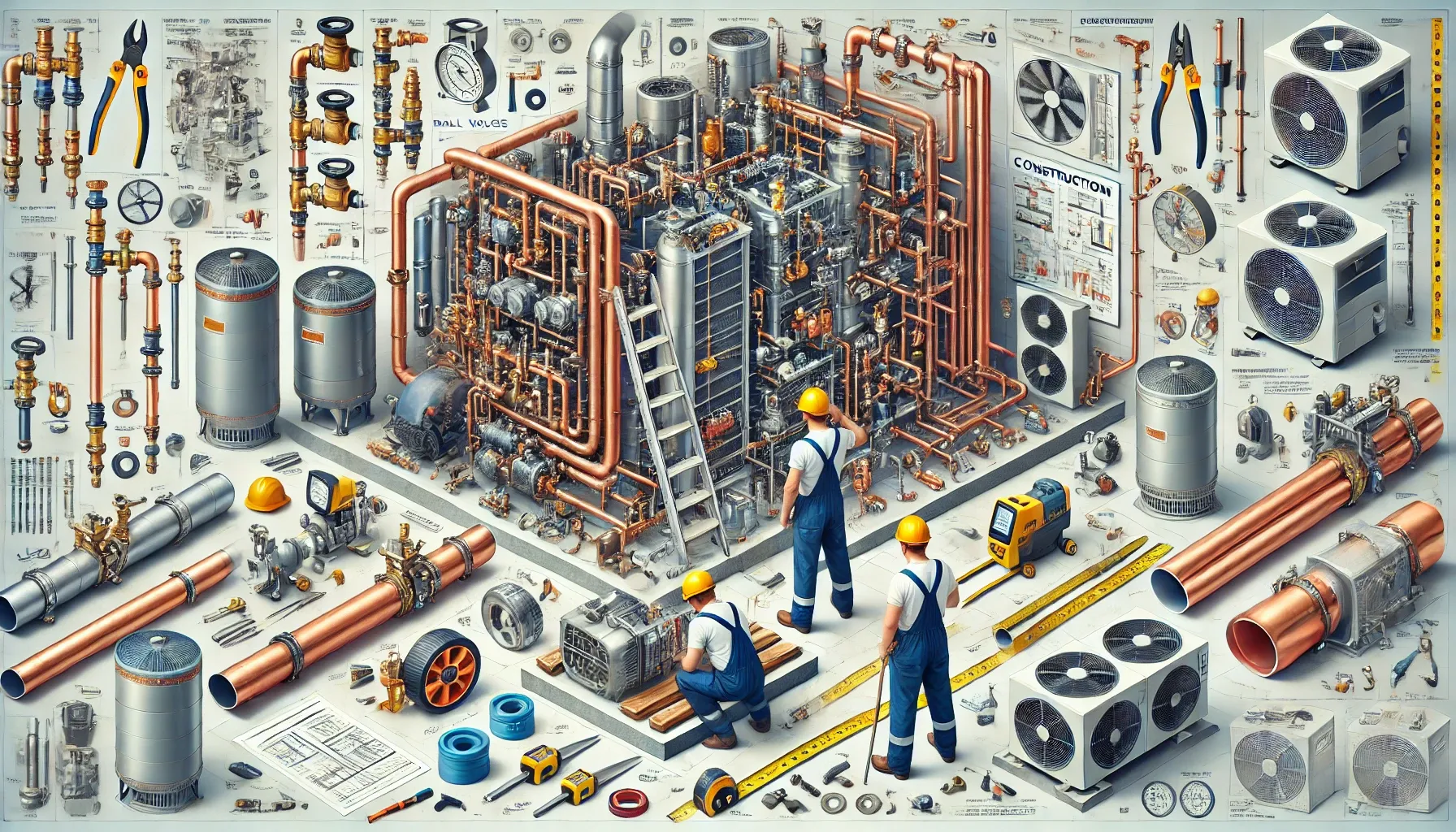
Adjusting valves is not simply a matter of purchasing the most expensive models or following catalog specifications blindly. It involves checking how the valve size matches the pipeline size and goes through checking Cv values to confirm flow capacity, body material selection according to fluid type and temperature, and actuator integration for control valves.
In chilled water systems, valves are to operate at low temperatures without condensation. In hot water or steam systems, the valve seats and seals have to withstand thermal cycling without any leaking. For refrigerants, valves need to be pressure rated for the refrigerant in use.
Another area where optimization saves is in automation. Modern HVAC systems integrated into BMS can operate the valves automatically depending on temperature, occupancy, or load conditions resulting in substantial energy savings in the long run.
Conclusion
Valves in HVAC systems are not merely mechanical components; they serve as the control system for the flow rate in your heating and cooling network. Choosing the wrong valve, placing it inappropriately, or overlooking optimization will always lead to unsatisfactory performance, increased maintenance costs, and energy inefficiency. At Indusroof, we offer an extensive range of valves for HVAC systems, including isolation, control, balancing, and safety valves, and we provide full technical assistance on selection, placement, and optimization planning. Intelligent valve arrangement in real industrial HVAC systems is not something optional — it’s a guarantee of unrivaled operational tranquility.
Validate your login